Reserve the customer's table online

Rodizio Rico Restaurant / UK

The Challenge

  • Reserve the customer’s table online.
  • Enable restaurant customers to find key info easily,
    reducing call and email volumes.

Outcome

30%

Significant rise in online bookings.

70%

Reduction of venue calls and emails requesting informations.

48s

The booking table process now averages just 48 seconds.

18s

Achieving the task of reviewing menu and pricing options within 18 seconds.

Position

Product Designer

Timeline

Apr to Jun/23

Platform

Web
UX Process

Research goals and methodology
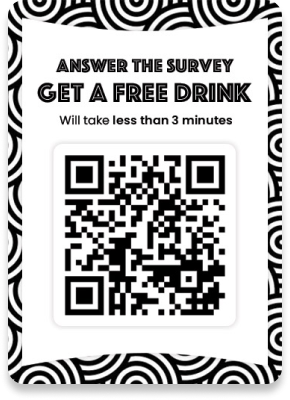
Implemented by Double Diamond Methodology for online booking evaluation and user preference analysis through qualitative data collection from existing customers through QR code surveys, encouraged with free drinks.


In the initial phase, was conducted a comprehensive data collection process from existing customers.


The insights guided iterative design improvements, enhancing user-friendliness and visual appeal, elevating the dining experience.
Method: Evaluative research through online survey

Survey Design: 10 multiple choice and open-end questions

Participants: 40

Data Sourced: Qualitative
Key findings and pain points uncovered
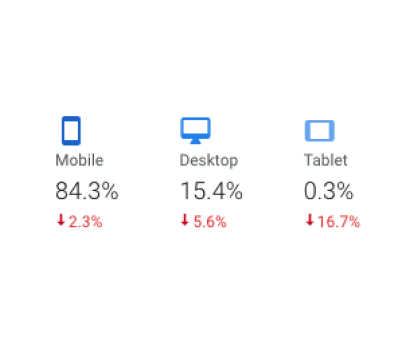
  • 84.3% of customers navigated the website from mobile, the website was not mobile friendly.
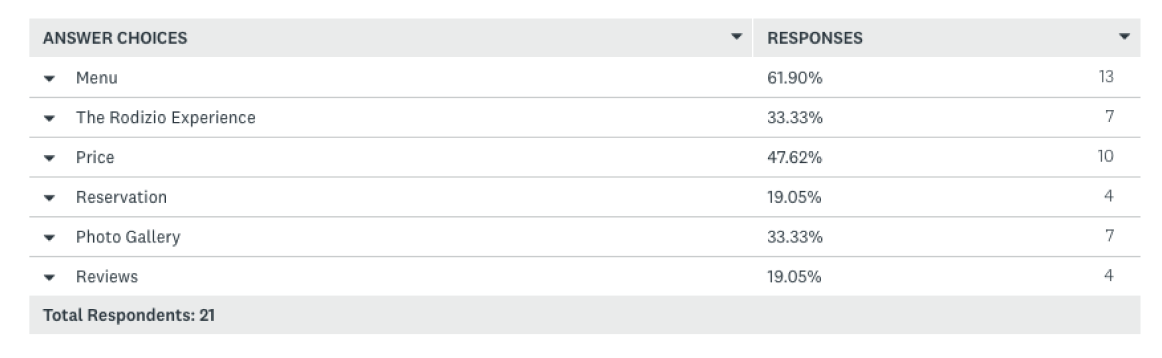
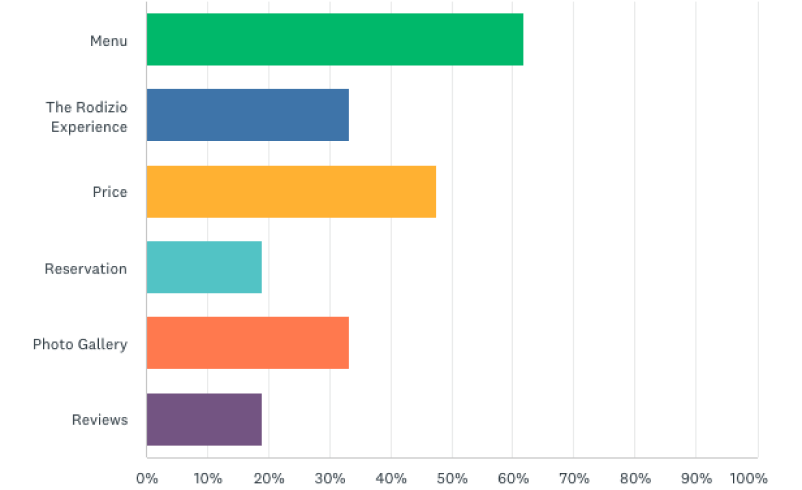
  • 90% visit the website to make a reservation or check the menu and prices. However, less than 40% of customers were able to successfully complete a reservation or get the information they were looking for.
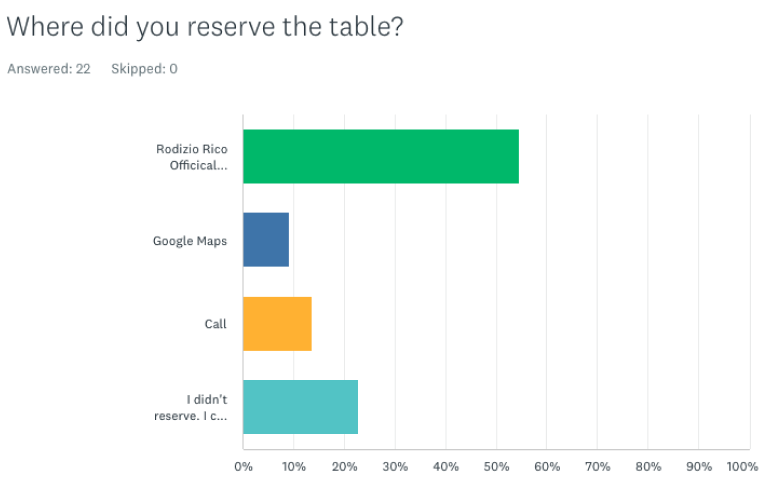
  • As a result of this poor website experience, customers had to call the restaurants to make inquiries. This caused a spike in inbound call traffic and reservation bottlenecks.
HMW statements
Addressing UX Pain Points with 'How Might We' technique:

...help clients find the information they want in a timely and accurate manner?
...facilitate the reservation process, (which areas can be improved)?
...make our clients’ online experience more pleasant and efficient?

Competitor analysis
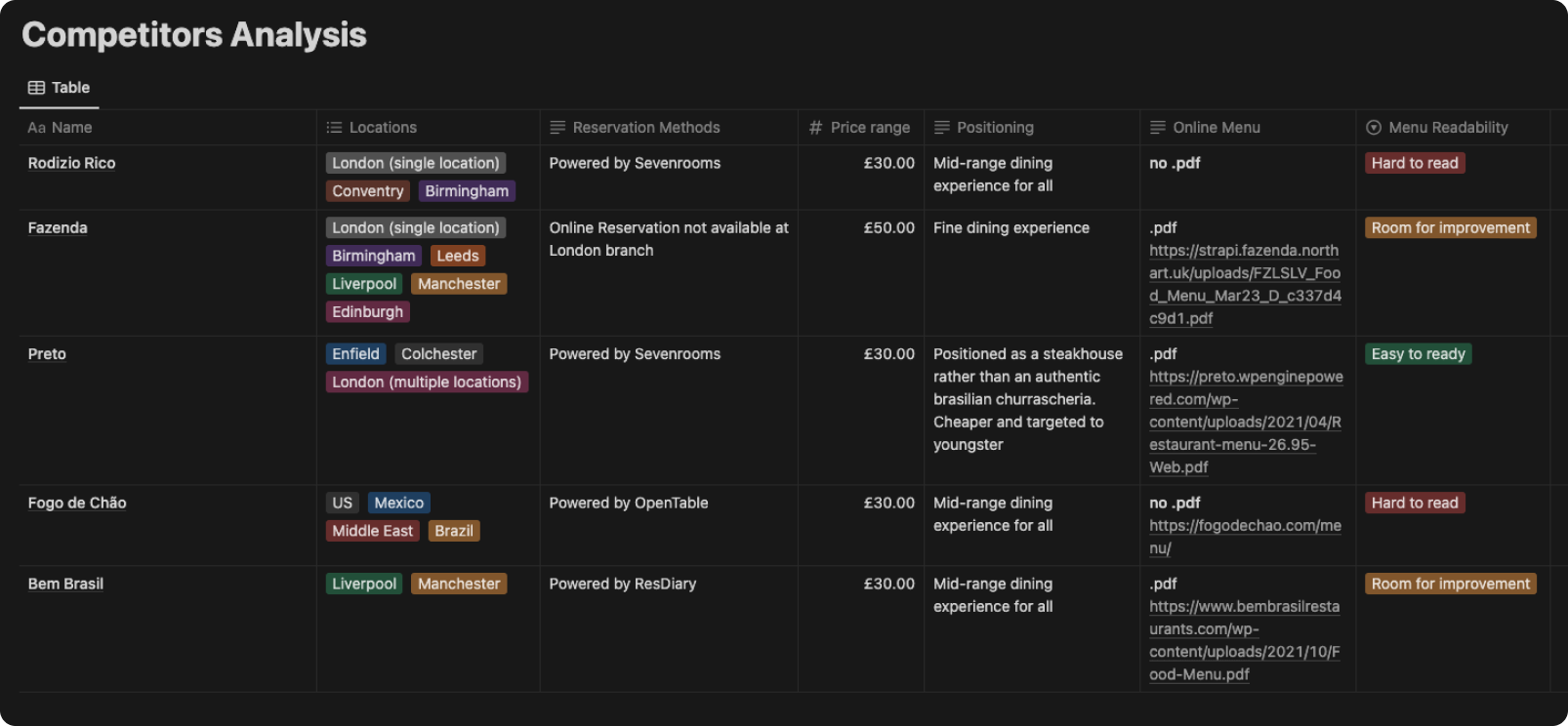
Honing further our research, we conducted a competitor analysis amongst the most popular Brazilian Churrascaria within the UK:

We investigating the online navigation experience offered based on:

1. Online booking. How does this works? 

Are they relying on third parties reservation system?

2. Menu and Price visibility and readability. 
How easy is for users to browse online menu and different price options?

3. The overall website look & feel and visual design.

4. Any advantage that differentiate them from competitors.
Design solutions
The solution started by focusing on: 
Visual Hierarchy, Information Architecture and CTA (call to action).
Crazy 8's
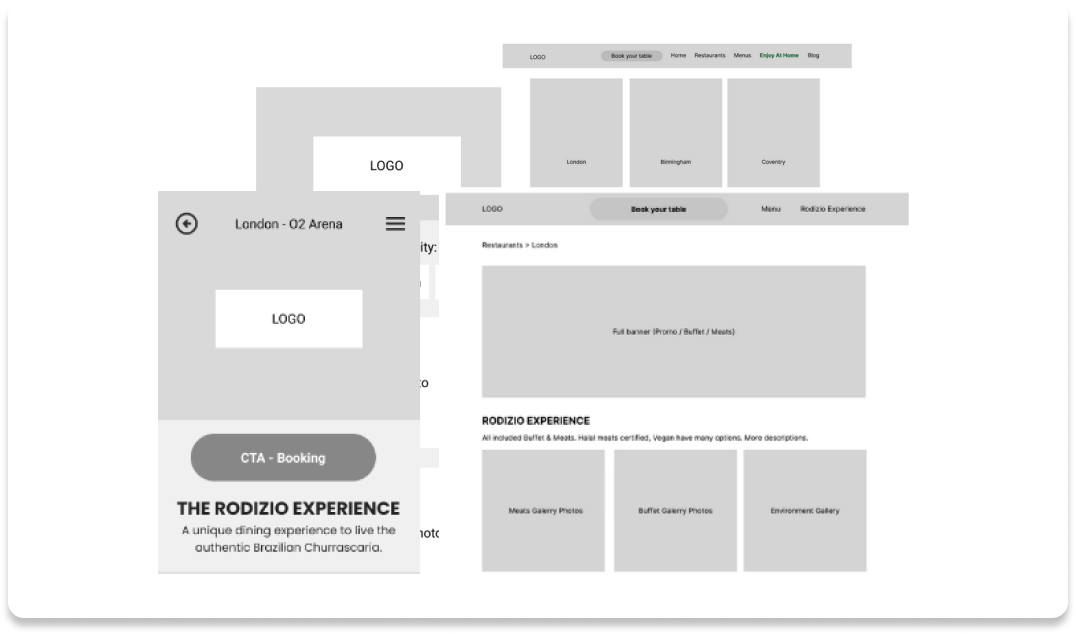
Low-fidelity and Prototype
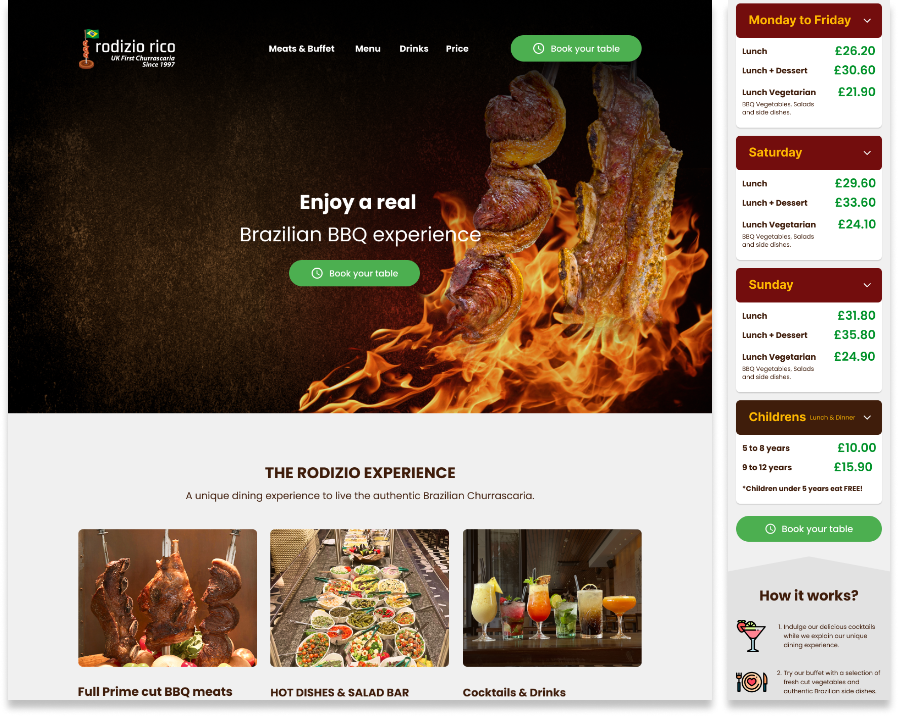
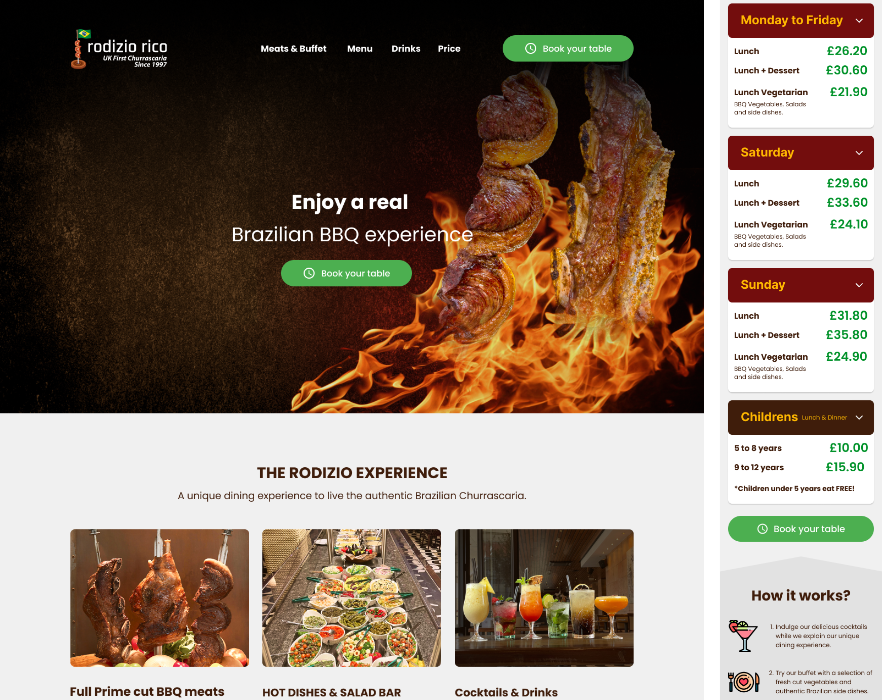
High fidelity design
Research goals and methodology
Implemented by Double Diamond Methodology for online booking evaluation and user preference analysis through qualitative data collection from existing customers through QR code surveys, encouraged with free drinks.


In the initial phase, was conducted a comprehensive data collection process from existing customers.


The insights guided iterative design improvements, enhancing user-friendliness and visual appeal, elevating the dining experience.
Method: Evaluative research through online survey

Survey Design: 10 multiple choice and open-end questions

Participants: 40

Data Sourced: Qualitative
Key findings and pain points uncovered
  • 84.3% of customers navigated the website from mobile, the website was not mobile friendly.
  • 90% visit the website to make a reservation or check the menu and prices. However, less than 40% of customers were able to successfully complete a reservation or get the information they were looking for.
  • As a result of this poor website experience, customers had to call the restaurants to make inquiries. This caused a spike in inbound call traffic and reservation bottlenecks.
HMW statements
Addressing UX Pain Points with 'How Might We' technique:

...help clients find the information they want in a timely and accurate manner?
...facilitate the reservation process, (which areas can be improved)?
...make our clients’ online experience more pleasant and efficient?

Competitor analysis
Honing further our research, we conducted a competitor analysis amongst the most popular Brazilian Churrascaria within the UK:

We investigating the online navigation experience offered based on:

1. Online booking. How does this works? 

Are they relying on third parties reservation system?

2. Menu and Price visibility and readability. 
How easy is for users to browse online menu and different price options?

3. The overall website look & feel and visual design.

4. Any advantage that differentiate them from competitors.
Design solutions
The solution started by focusing on: 
Visual Hierarchy, Information Architecture and CTA (call to action).
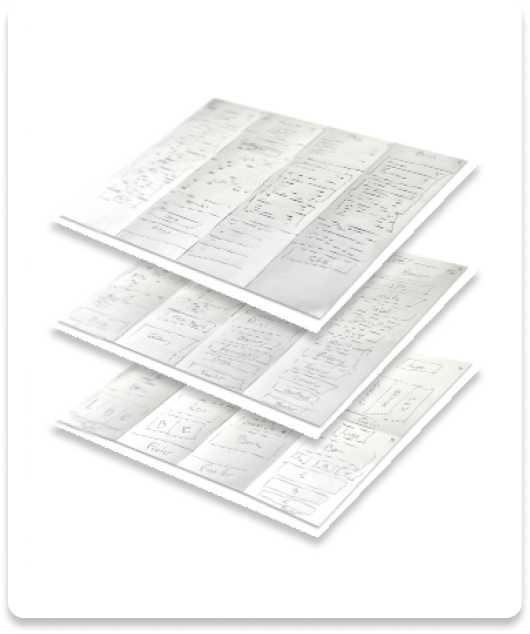
Crazy 8's
Low-fidelity and Prototype
High fidelity design
Usability test outcome
Un-moderated usability test - high fidelity design

Validated navigation, iterated prototype, evaluated interactions, user-centric design.

Method: Evaluative research through un-moderated test.
Survey Design: open-end, multiple-choice and 5 points like-scale questions.
Participants: 16.
Data Sourced: Qualitative and quantitative.
Outcome and improvements achieved:
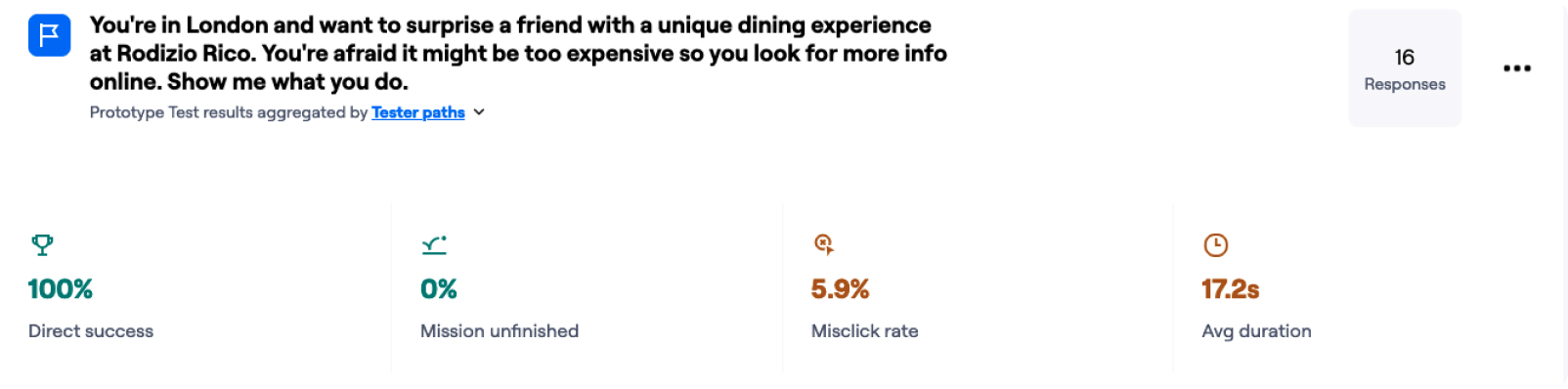
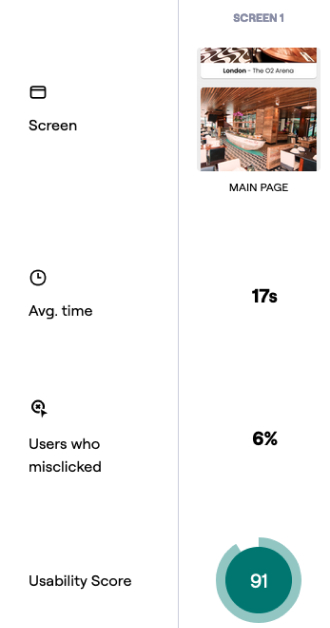
Through usability testing, we achieved a 100% success rate with users completing the task of checking menu and pricing options in under 18 seconds. 
Their satisfaction rating was 4.8 out of 5. 
Our future goal is to reduce inbound calls to restaurants by 70%.
Reduced booking completion time

By modifying the "Book a Table" CTA Button, we achieved a 100% success rate and reduced the booking time to an average of 48 seconds.

Refinement of user preferences

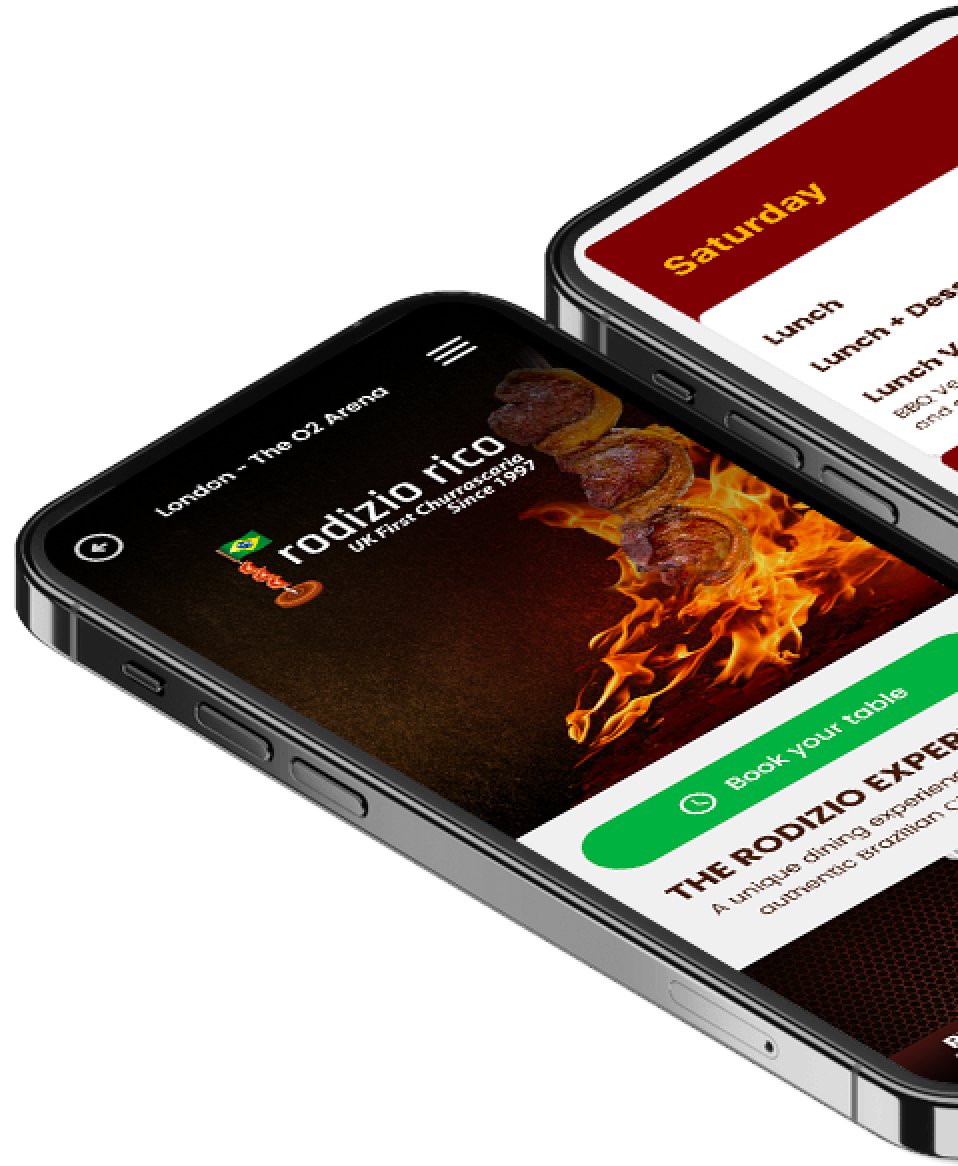
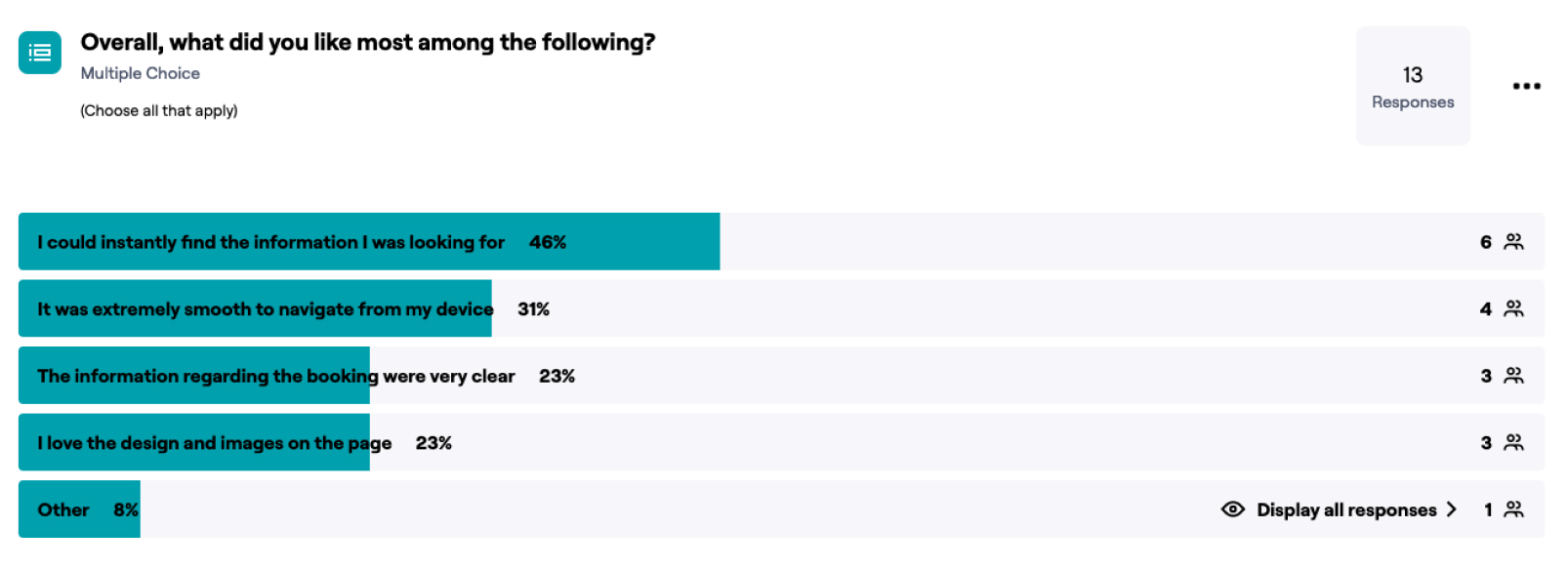
Users expressed their preference for various aspects and features of the revamped design and navigation flow, validating our success in enhancing visual and content hierarchy, along with providing an improved mobile-first navigation experience.
Usability test outcome
Un-moderated usability test - high fidelity design

Validated navigation, iterated prototype, evaluated interactions, user-centric design

Method: Evaluative research through un-moderated test

Survey Design: open-end, multiple-choice and 5 points like-scale questions
Participants: 16

Data Sourced: Qualitative and quantitative
Outcome and improvements achieved:
Through usability testing, we achieved a 100% success rate with users completing the task of checking menu and pricing options in under 18 seconds. 
Their satisfaction rating was 4.8 out of 5. 
Our future goal is to reduce inbound calls to restaurants by 70%.
Reduced booking completion time

By modifying the "Book a Table" CTA Button, we achieved a 100% success rate and reduced the booking time to an average of 48 seconds.

Refinement of user preferences

Users expressed their preference for various aspects and features of the revamped design and navigation flow, validating our success in enhancing visual and content hierarchy, along with providing an improved mobile-first navigation experience.
What have I learned?

Reflecting back on the project

In this project, I have gained valuable insight into the art of conducting thorough research and synthesising survey data from diverse ethnic backgrounds. By studying various behaviours and preferences exhibited by different ethnicities, I have acquired a deep understanding of how to strategically position elements in UI. This involved careful consideration of the average opinion derived from the survey data, enabling me to make better design decisions.

What have I learned?

Reflecting back on the project

In this project, I have gained valuable insight into the art of conducting thorough research and synthesising survey data from diverse ethnic backgrounds. By studying various behaviours and preferences exhibited by different ethnicities, I have acquired a deep understanding of how to strategically position elements in UI. This involved careful consideration of the average opinion derived from the survey data, enabling me to make better design decisions.